Protecting the Environment
FGV Group is committed to upholding the highest standards of environmental sustainability across all our operations. As part of our commitment to No Deforestation, No Peat, and No Exploitation (NDPE), we have adopted the following principles:
- Prohibition of development on areas classified as natural forest, High Carbon Stock (HCS), or High Conservation Value (HCV). In cases of non-compliant deforestation, FGV is fully committed to restoration efforts.
- Compliance with Best Management Practices (BMPs) and all relevant national laws and regulations in managing our peatland areas.
- No new planting on peatland regardless of depth.
- Replanting activities are undertaken only when appropriate, and are based on comprehensive economic, legal, and environmental considerations.
- Implementation of sustainable agricultural practices that preserve and enhance soil fertility, ensure sustained crop yield, and reduce soil erosion and degradation.
FGV is also committed to responsible sourcing and shall not source any raw materials from deforested areas. Through these efforts, we continue to reinforce our dedication to responsible land use, environmental preservation, and long-term sustainability.
FGV strictly adheres to a zero-burning policy and does not practice open burning for any purpose except for managing outbreak of pests and diseases as specified in the ‘Guidelines for the Implementation of the ASEAN Policy on Zero Burning 2003’.
Biodiversity and Conservation
FGV gives priority to conserving biodiversity, especially when many of our plantations are in close proximity of natural forest reserves that are home to endangered, rare and threatened species. FGV pledges to carry out conservation initiatives for the continuous protection of the natural ecosystem.
Malayan Sun Bear Conservation Programme (SBCP)
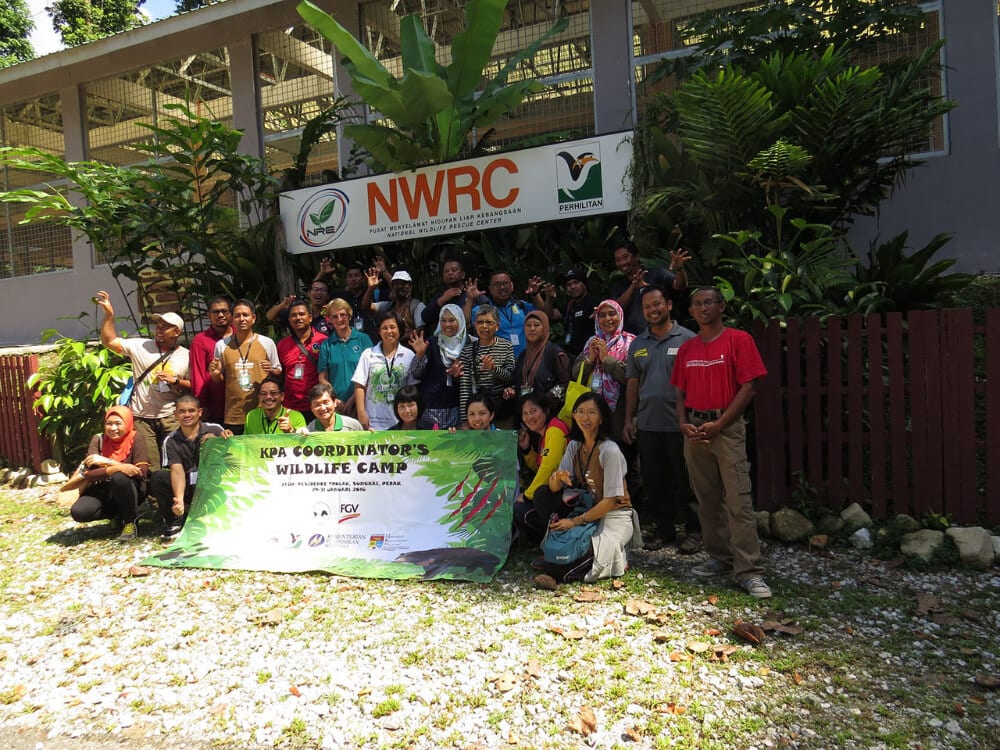
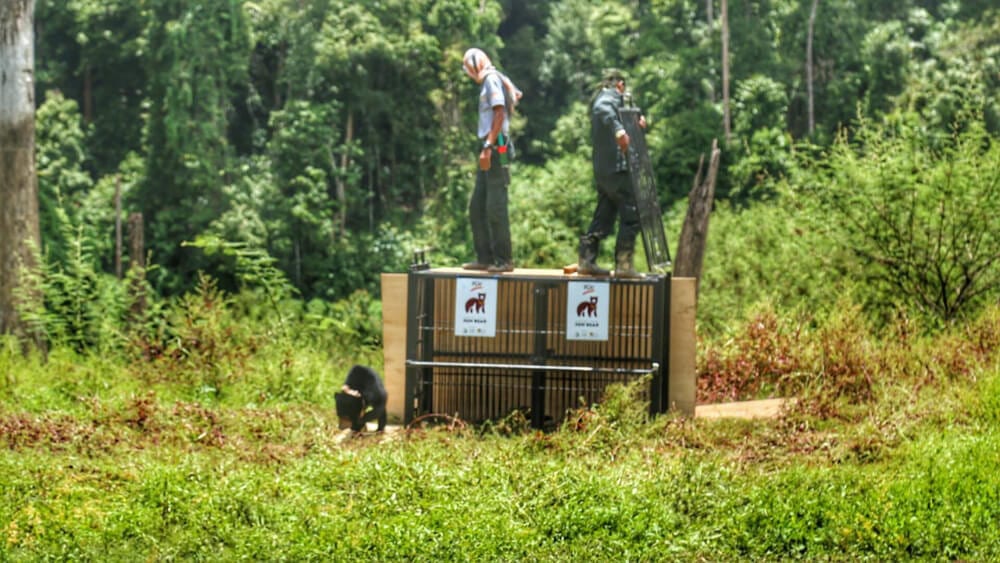
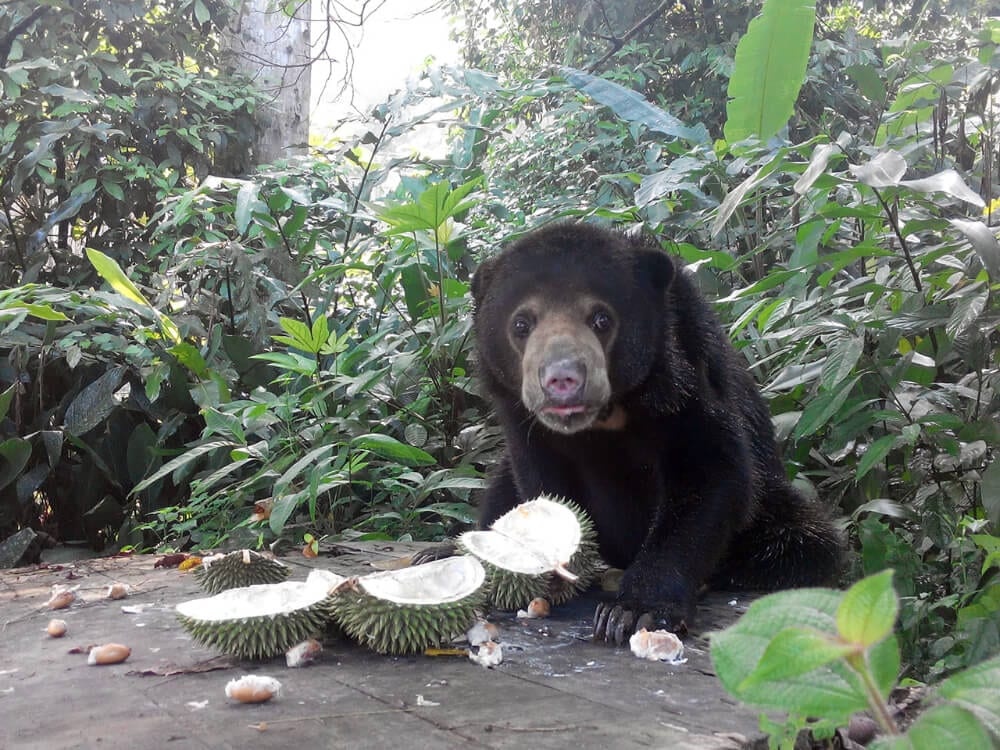
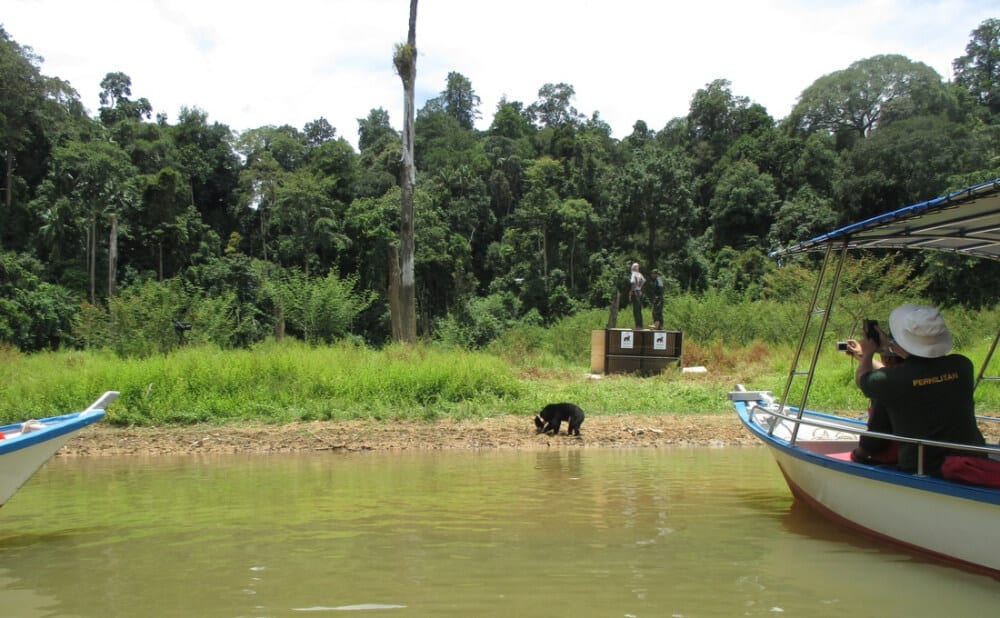
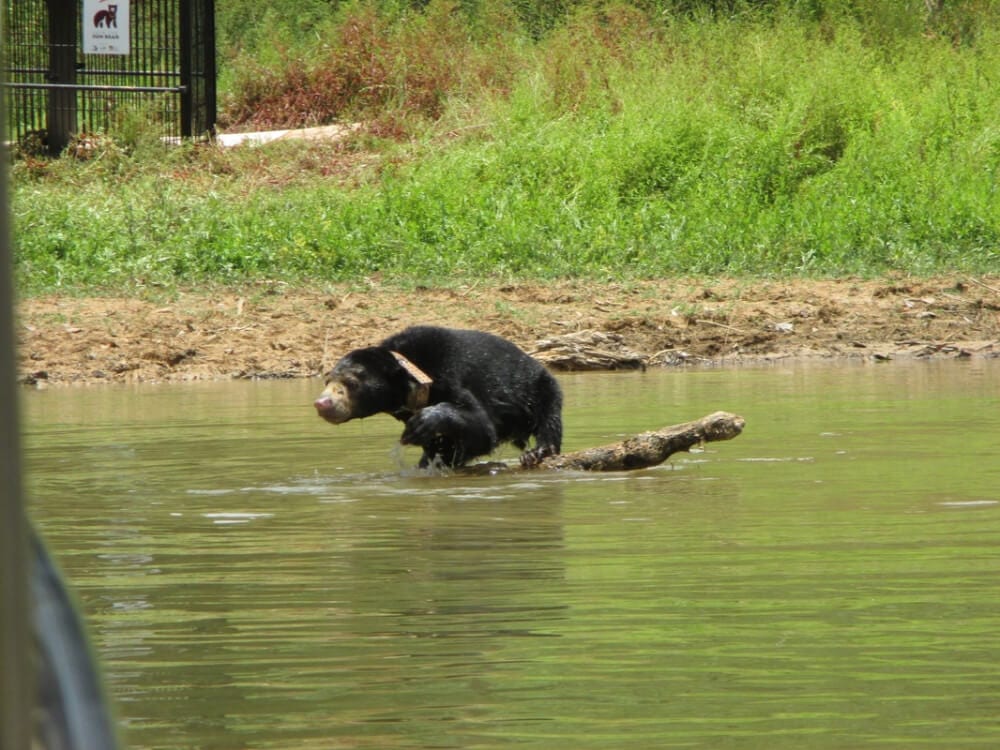
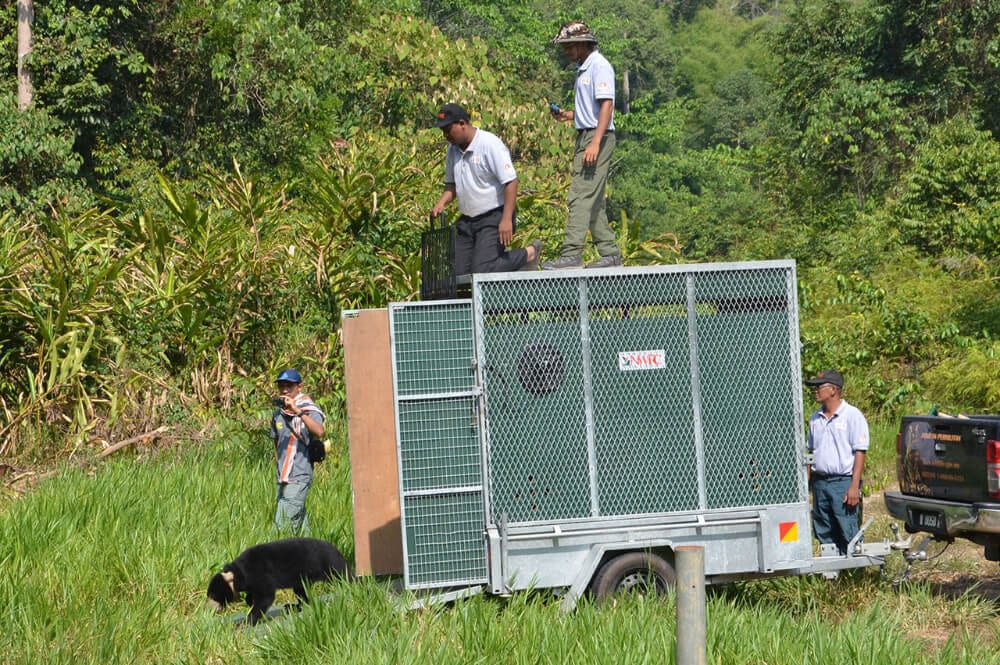
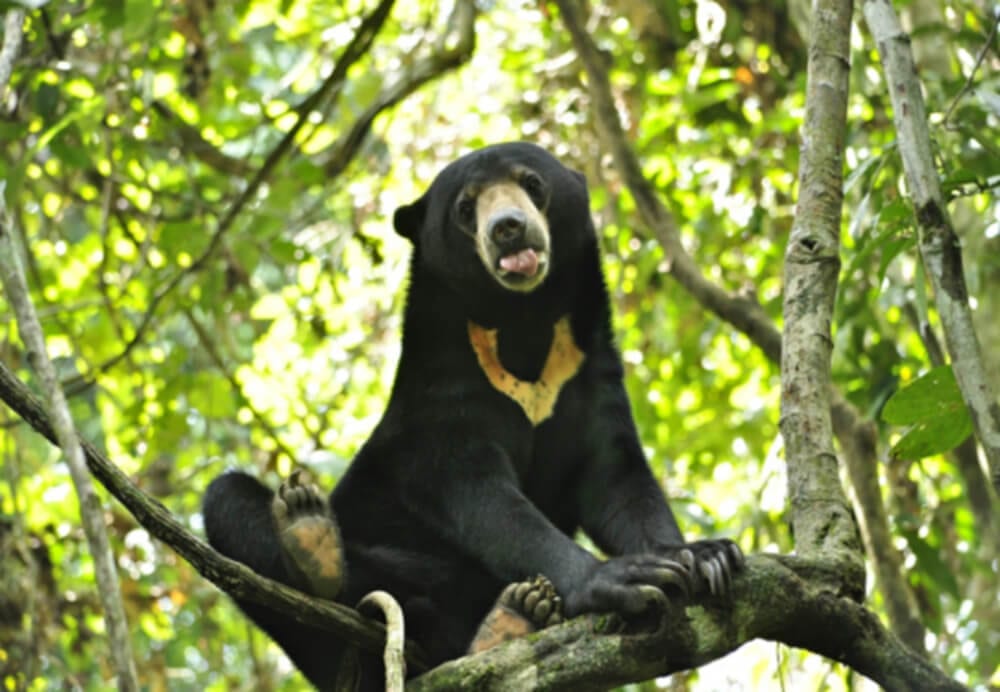
Malayan Sun Bear Conservation Programme (SBCP)
One of our landmark conservation initiatives is the Sun Bear Conservation Programme (SBCP). The SBCP, which is funded by FGV Holdings Bhd (FGV), is a collaboration with the Malaysian Nature Society (MNS), Department of Wildlife and National Parks Peninsular Malaysia (PERHILITAN) and Universiti Kebangsaan Malaysia (UKM).
SBCP involves in the rescue, rehabilitation and release of the injured/orphaned/confiscated Sun Bears back into the wild. The SBCP has successfully rehabilitated and released 58 sun bears back into the wild as of 2021 since its establishment in 2015. In addition, through SBCP, a training module for primary and secondary schools is being prepared to build awareness on the importance of sun bear conservation through organized nature camps. A documentary video on our SBCP can be watched here.
Rafflesia Conservation & Interpretation Centre Project (RCIC)
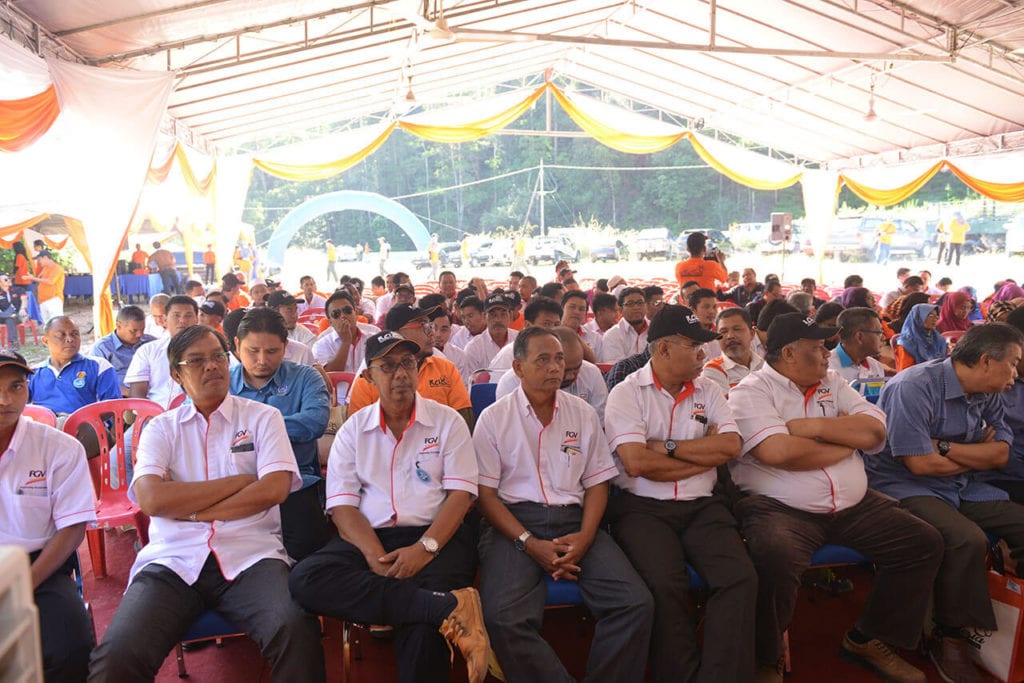
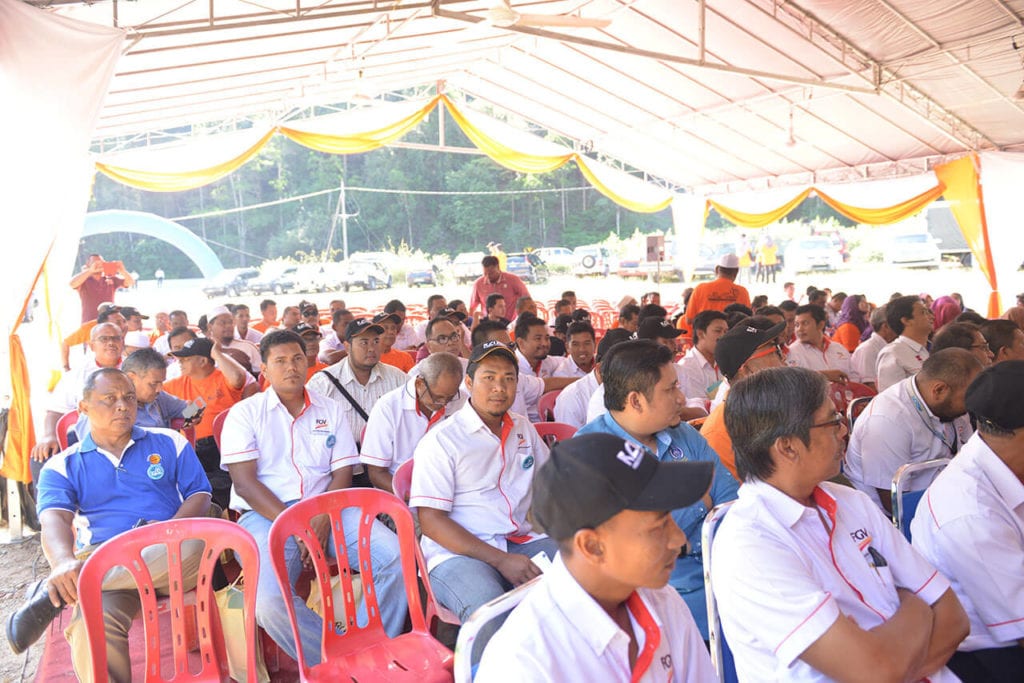
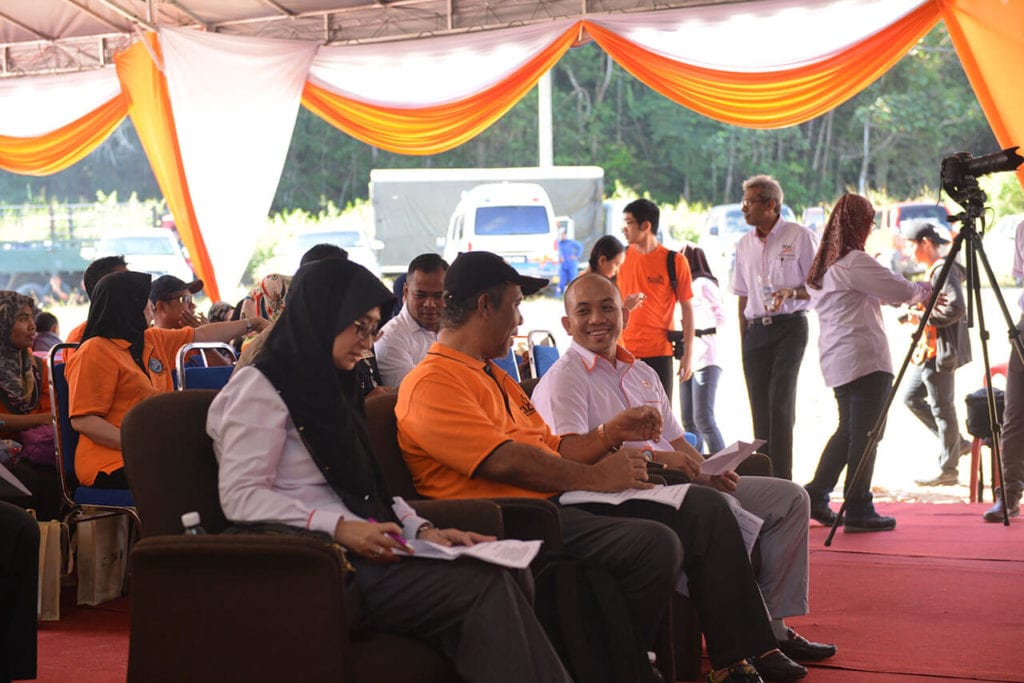
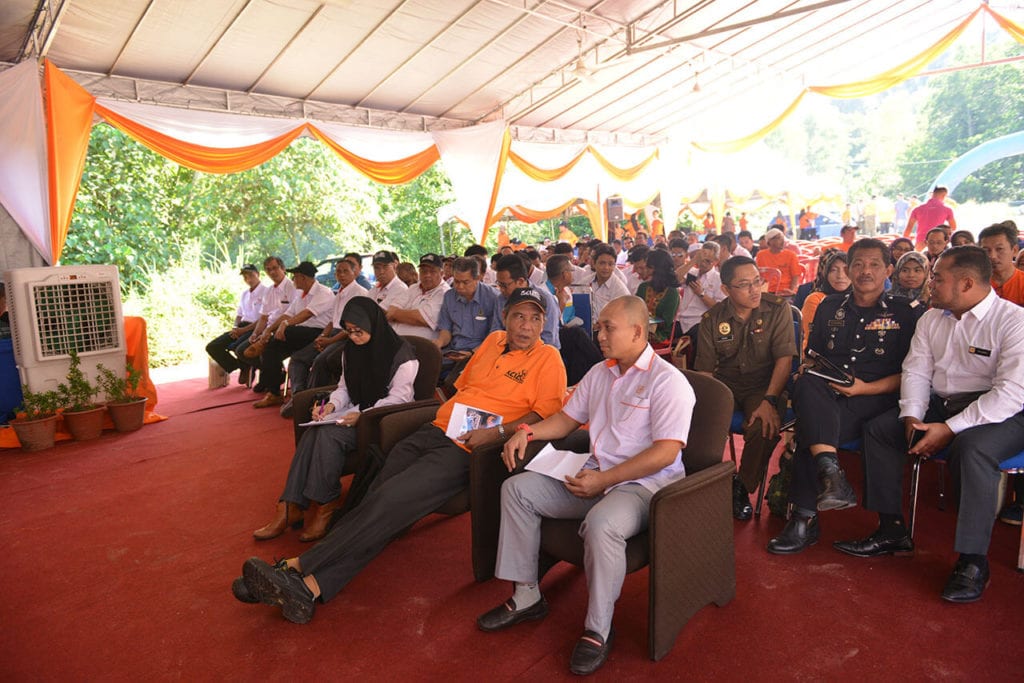
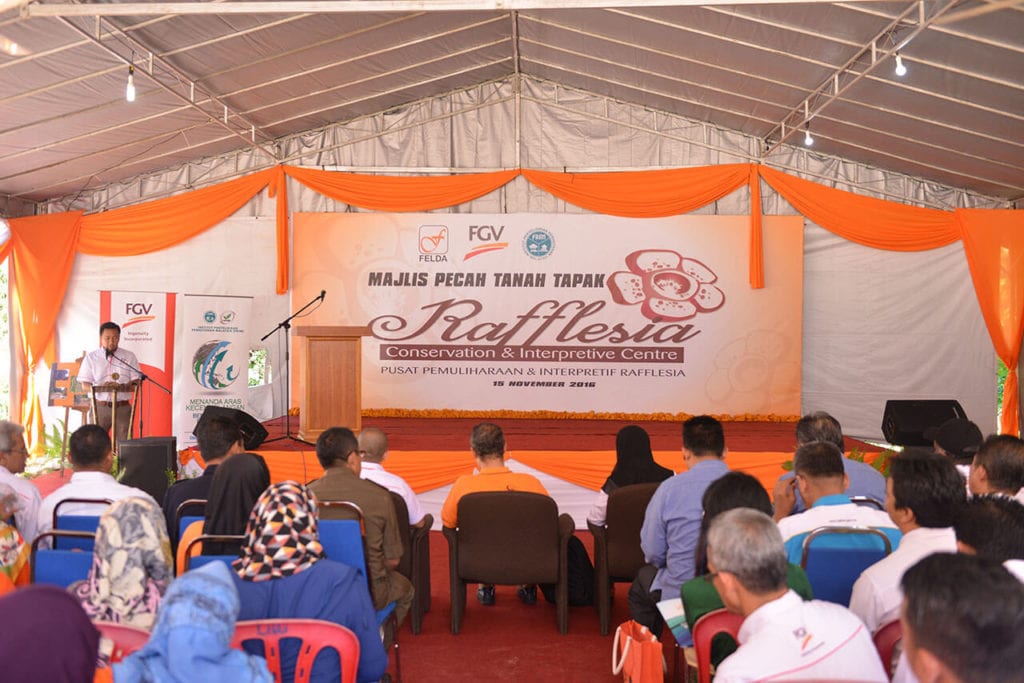
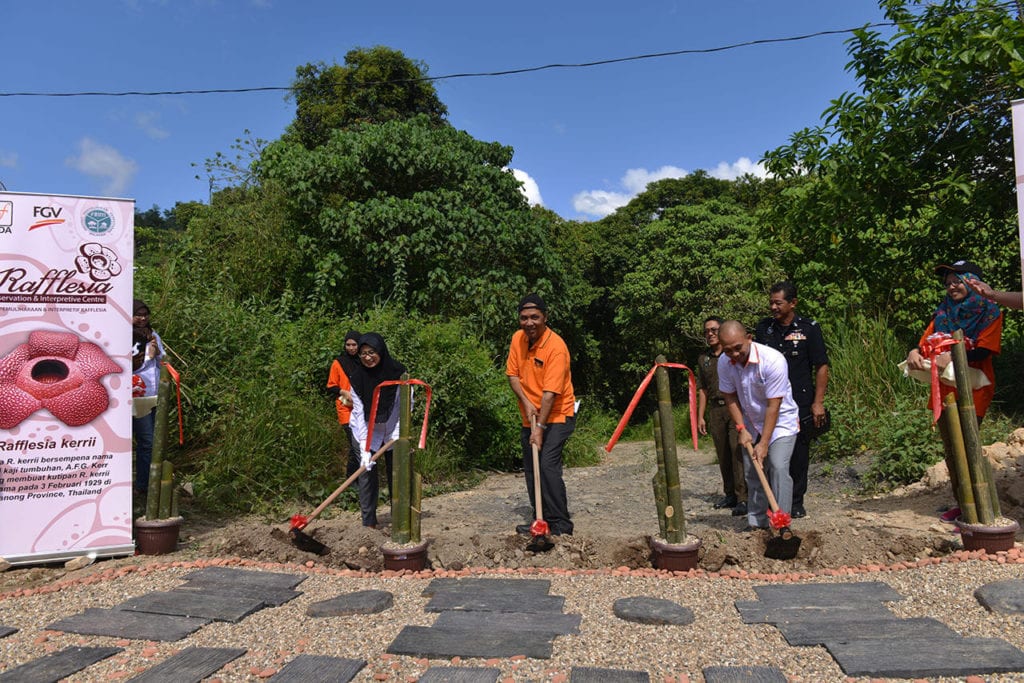
Rafflesia Conservation & Interpretation Centre Project (RCIC)
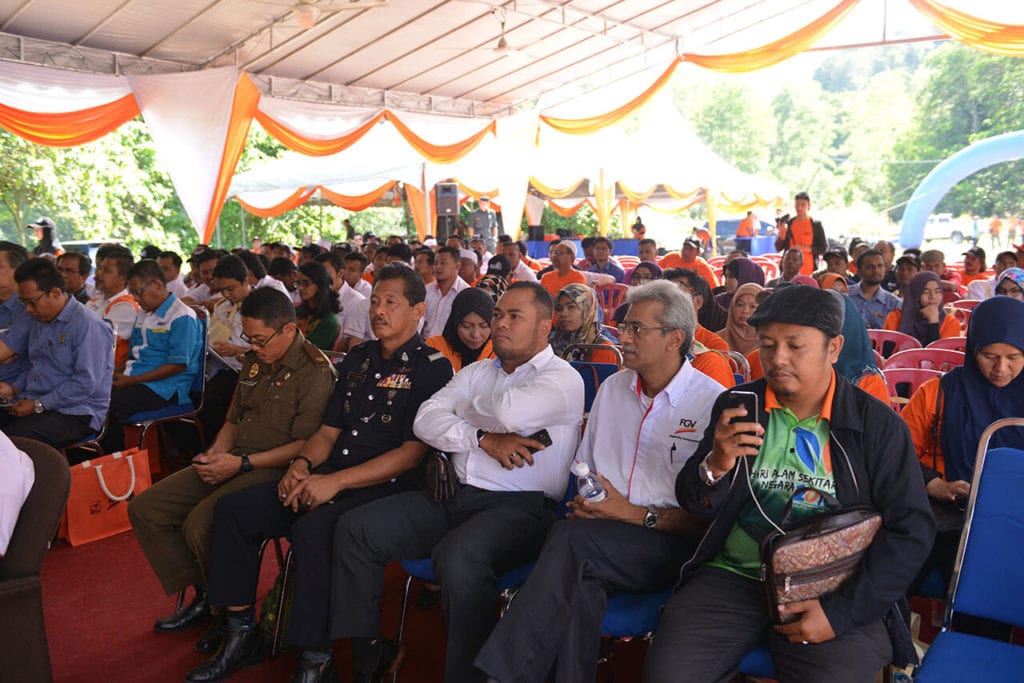
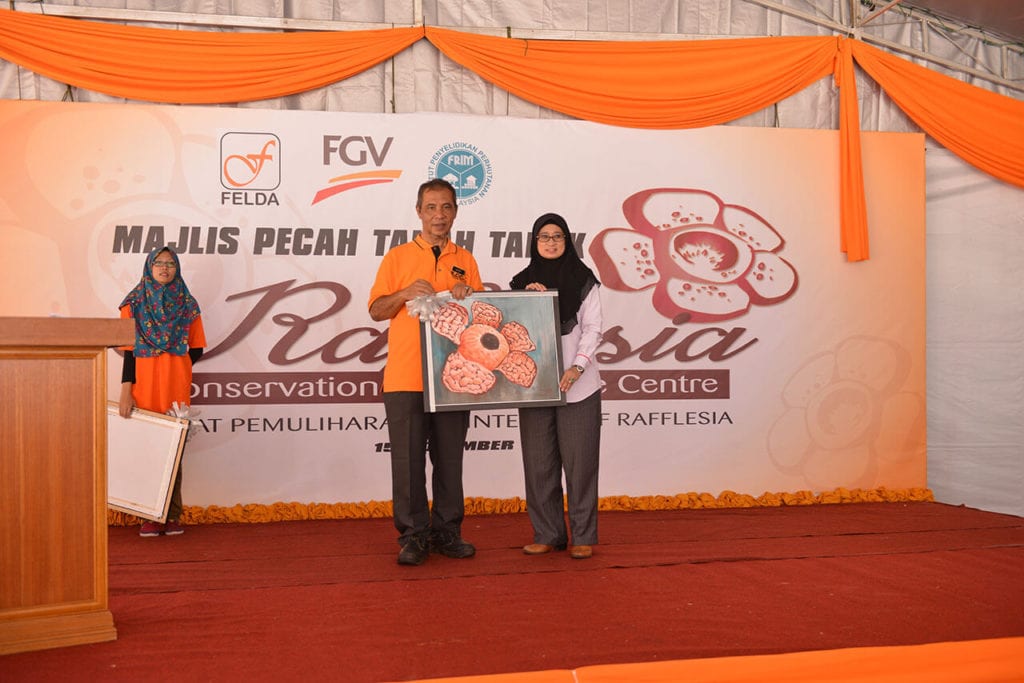
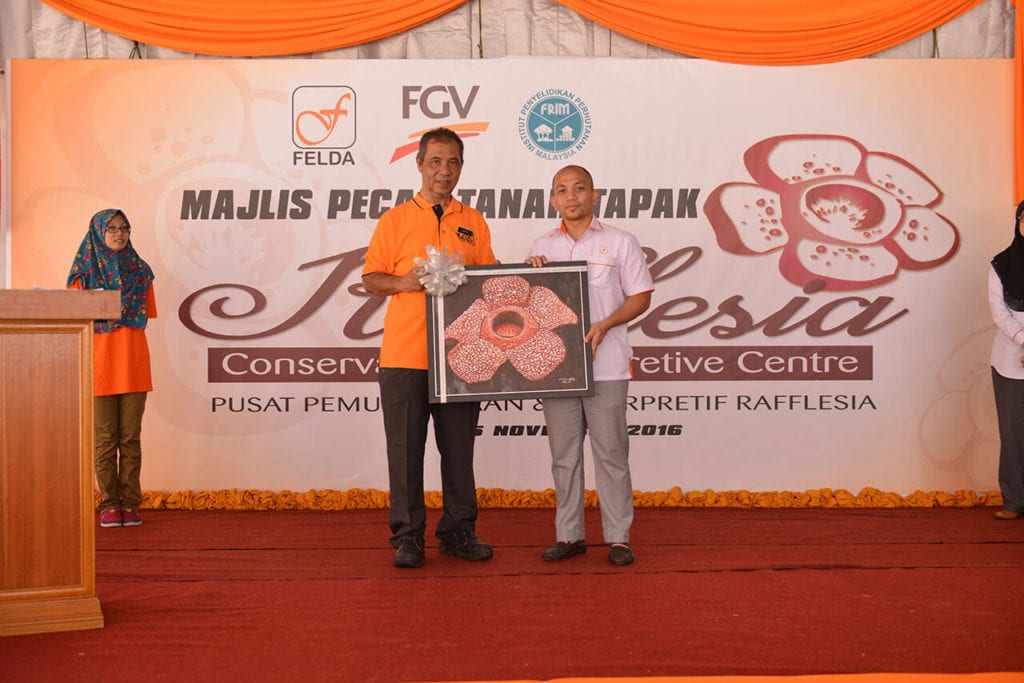
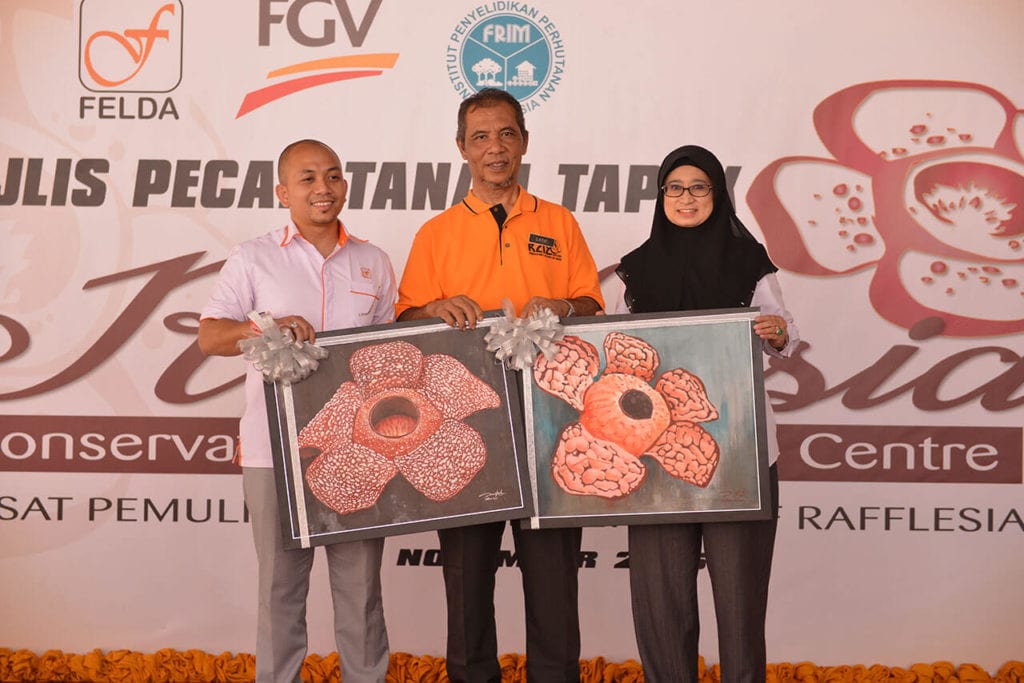
The proposed collaborative project initiated from FGV and the Forest Research Institute Malaysia (FRIM), Rafflesia Conservation & Research Centre (RCIC) project is hoped to serve as a “one-stop center” for many research, education and conservation of the very valuable species Rafflesia.
The objectives of the RCIC are :-
- to set up a national centre for Rafflesia research and conservation in the country;
- to establish a “showcasegarden” complete with plaques with useful information for visitors with in-situ and ex-situ species;
- to provide an avenue for scientific research; (iv) to provide training and public education
- to increase awareness of the Rafflesia and biodiversity conservation
RCIC in Gerik Perak will be the first centre for research and conservation of the Rafflesia species in Peninsular Malaysia through in-situ conservation approach that will help to address various issues of Rafflesia conservation efforts.
On-going survey and mapping of Rafflesia and Tetrastigma research plots in-situ and ex-situ eventually led to the identification of conservation project sites.
Mega Biodiversity Corridor Conservation Project in Lower Kinabatangan Basin
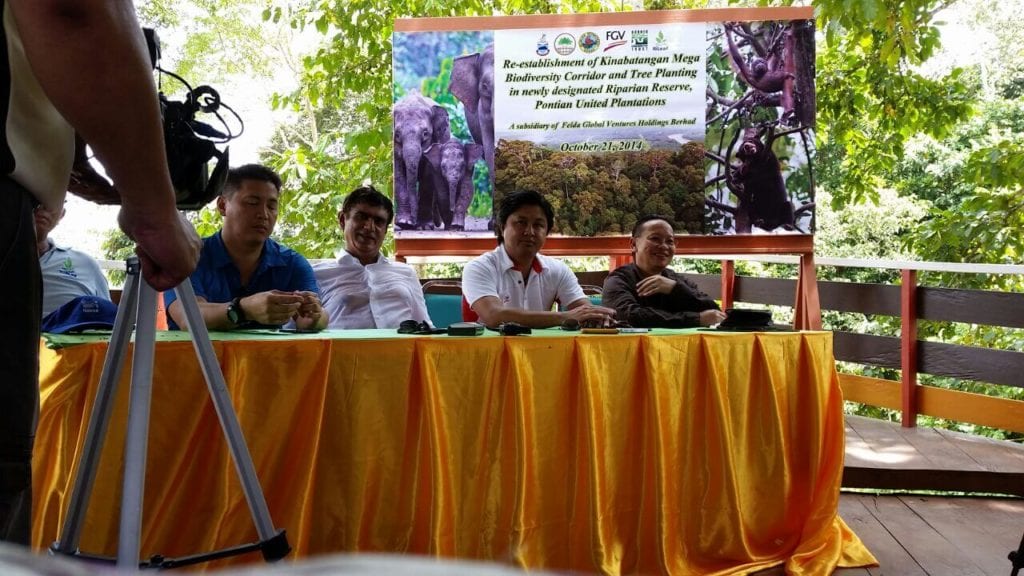
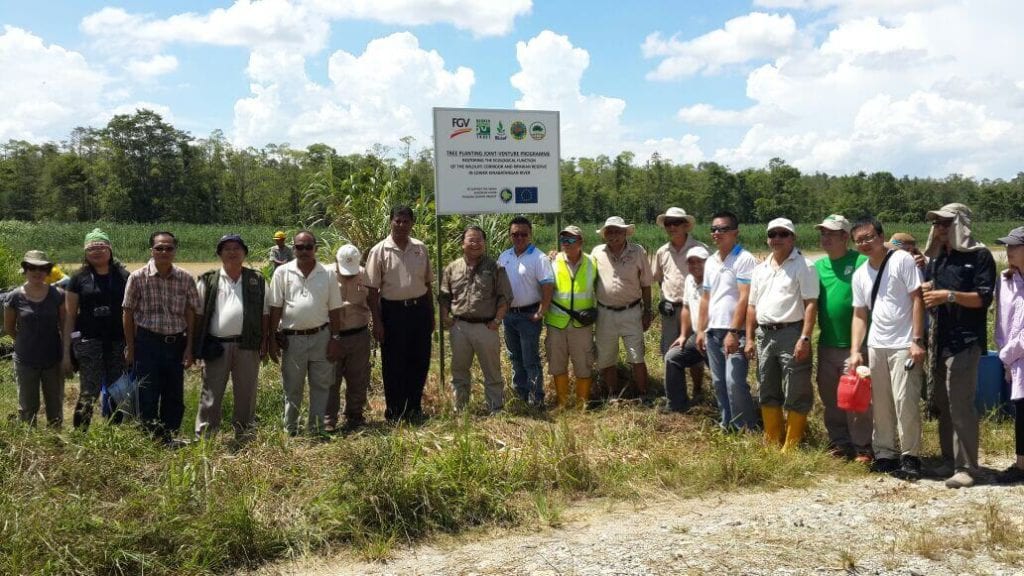
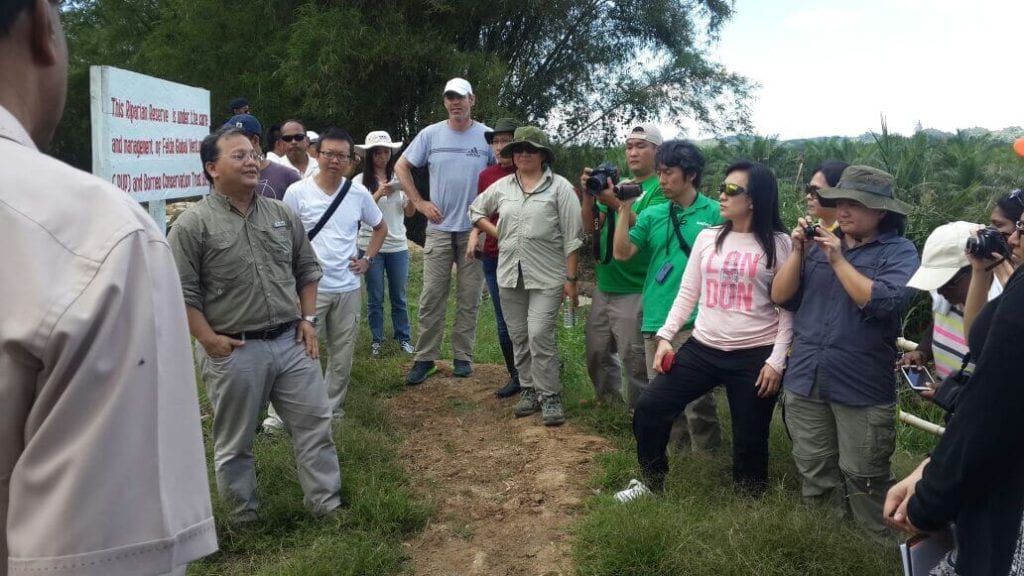
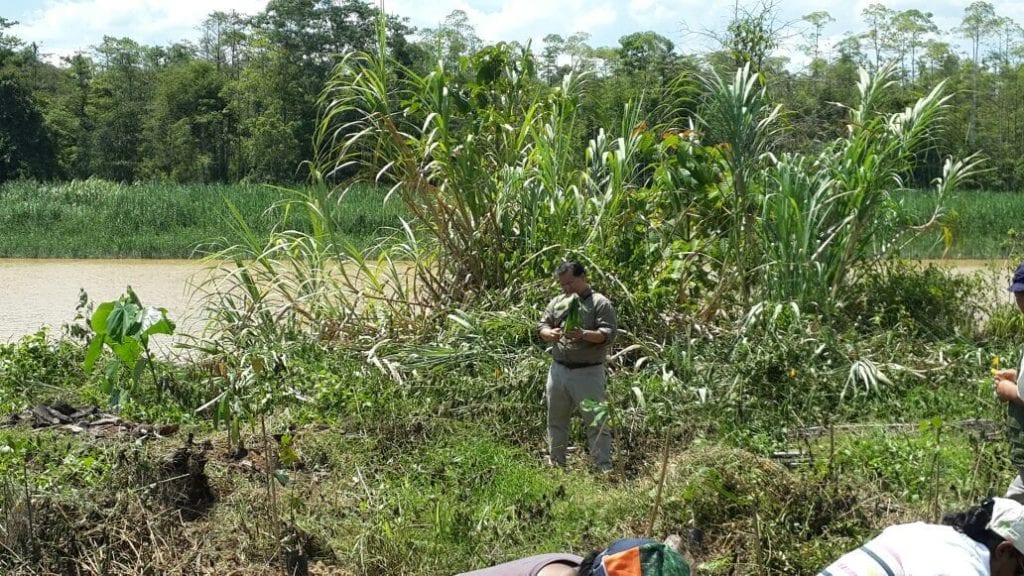
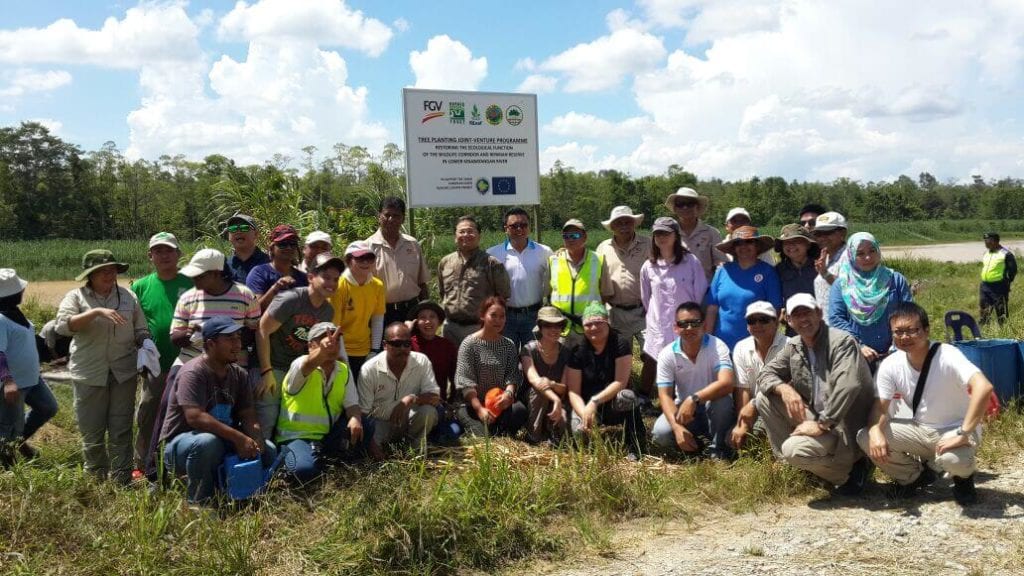
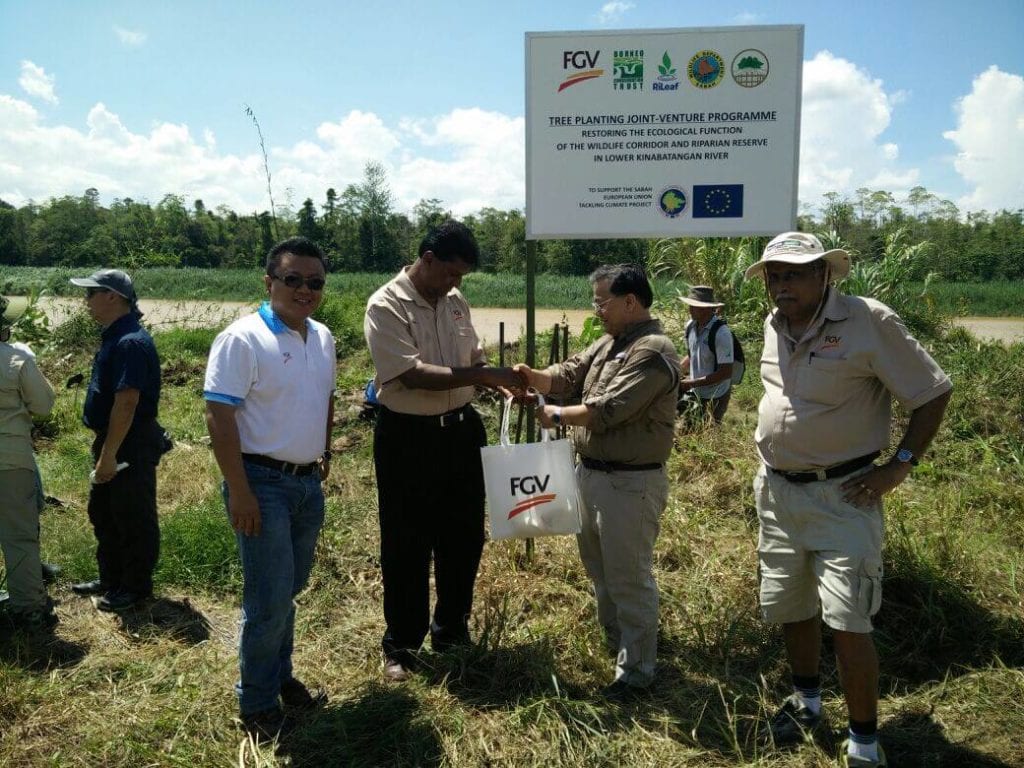
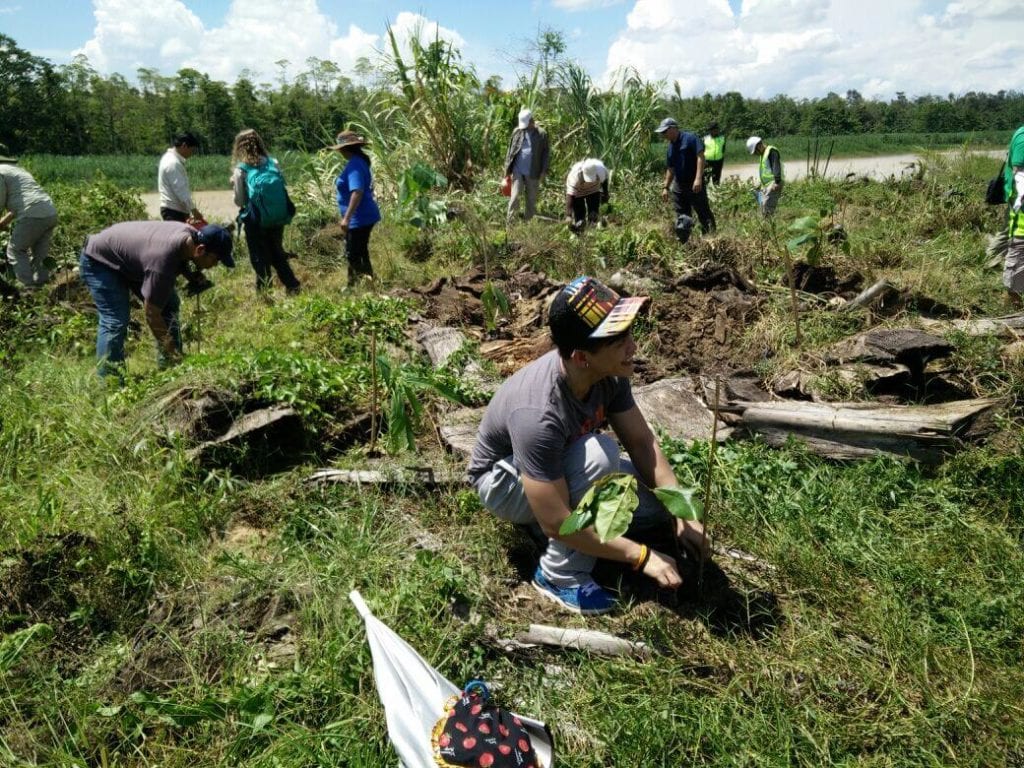
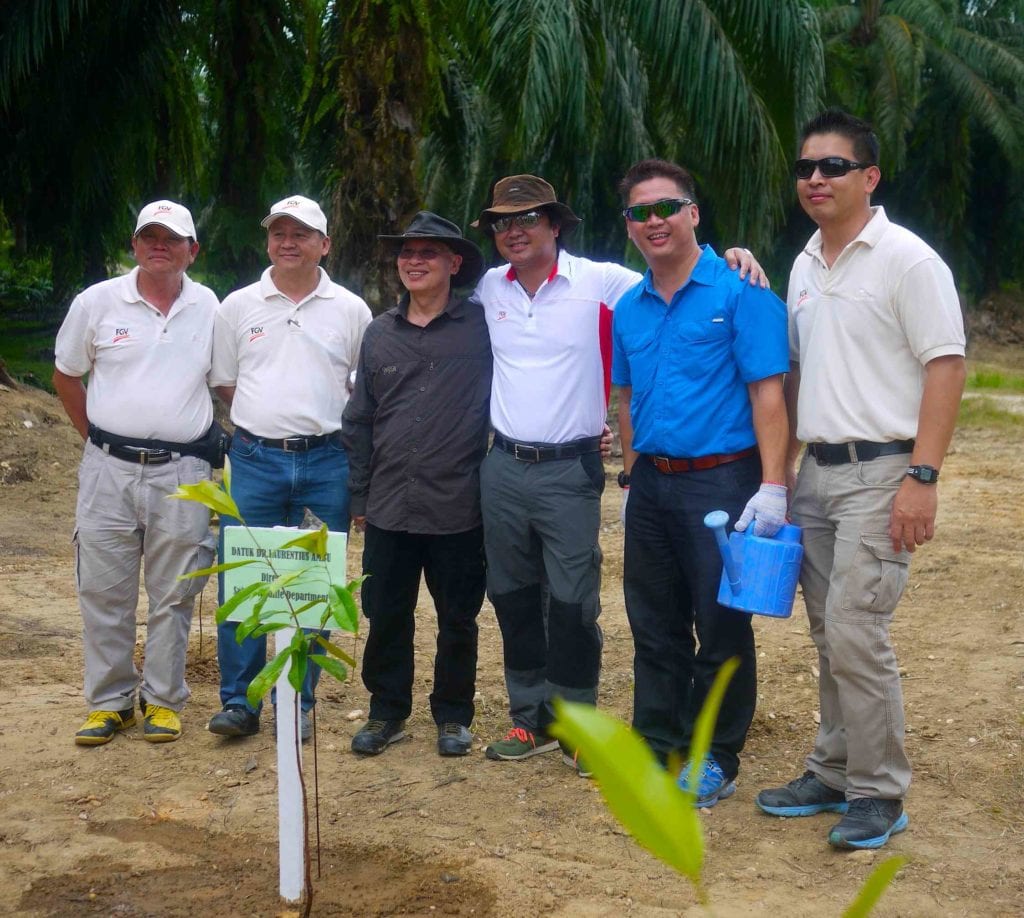
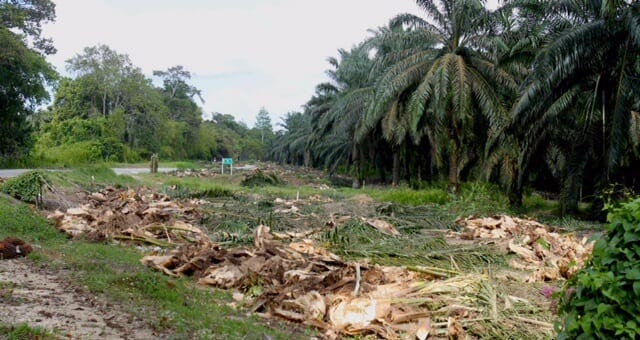
Mega Biodiversity Corridor Conservation Project in Lower Kinabatangan Basin
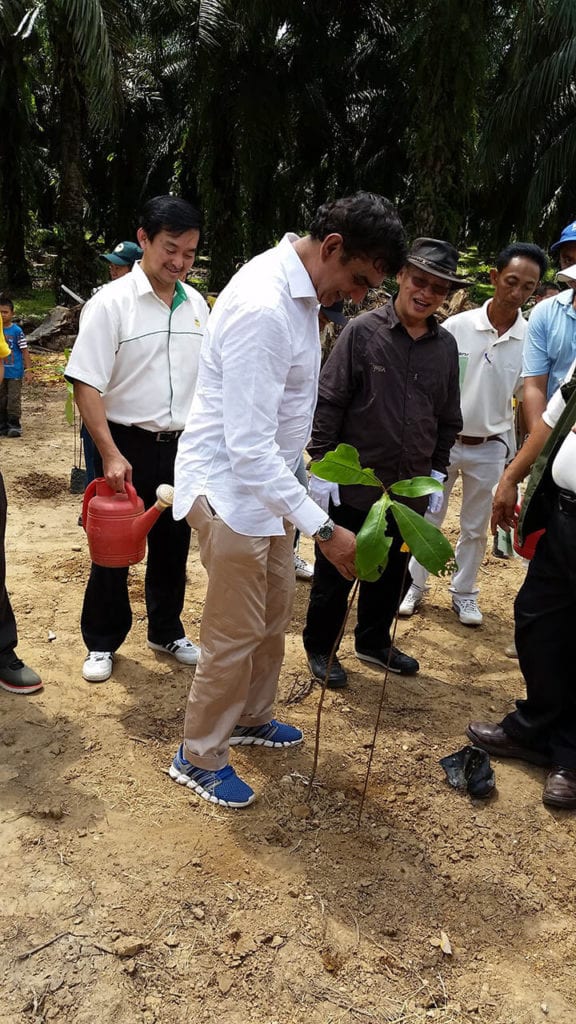
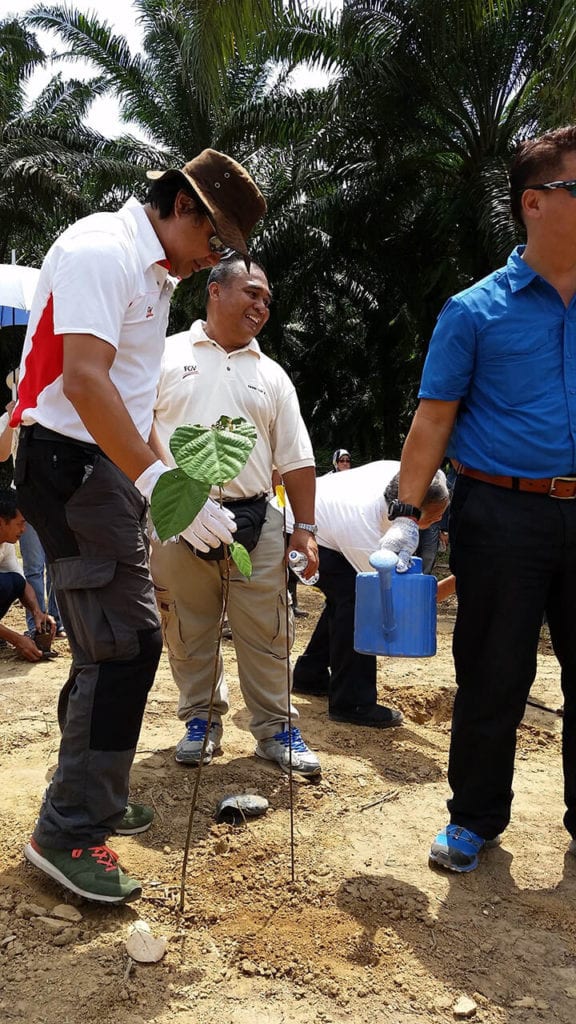
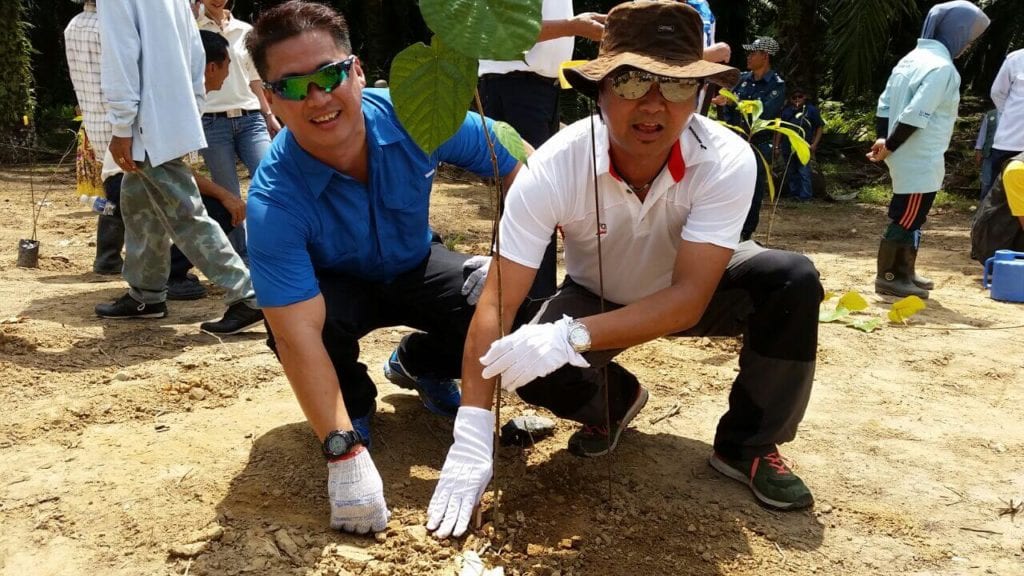
In 2015, we are committed to a five-year biodiversity conservation initiative with Borneo Conservation Trust (BCT) and Sabah Wildlife Department (SWD) in the Mega Biodiversity Corridor programme.
This five-year project is to support the re-establishment, restoration and protection of key migratory routes for wildlife to safely migrate to the Lower Kinabatangan Basin, as well as to provide sustainable alternative livelihoods for the local communities living along the Kinabatangan River.
To date, we have re-established the riparian reserves which will also act as wildlife corridors by alienating a minimum distance of 50 metres from our estates to the river bank and planted saplings of indigenous timber tree species bought from nurseries run by local companies.
FGV’s Greenhouse Gas (GHG) Emissions Reduction Targets
FGV has committed to net zero and signed on the pledge Science Based Targets initiative (SBTi).
We have committed to achieving net-zero GHG emissions by 2050, in line with climate science, with an interim near-term reduction target set for 2030, using 2019 as our base year.
Our near-term and net-zero greenhouse gas (GHG) emissions reduction targets were officially approved by the SBTion 1 May 2025. This milestone marks a significant step forward in our sustainability journey and reinforces FGV’s role in supporting Malaysia’s low-carbon development agenda.
SBTi approval letter can be found here.
Bio-compressed Natural Gas (BIO-CNG)
FGV Palm Industries Sdn Bhd (FGVPI) is in a collaboration with Sime Darby Energy Solutions Sdn Bhd (SDES) and Biotek Dinamik Sdn Bhd (BDSB), to produce bio-compressed natural gas (BIO-CNG) from palm oil mill effluent (POME), which will allow potential development of 35 brownfield and greenfield sites owned by FGVPI. Bio-CNG is a viable and sustainable alternative to fossil-derived natural gas that will be explored for both local and export market for potential industrial consumption and vehicle conversion on build-own-operate basis. Capturing and recycling this biogas to produce a green and renewable fuel makes commercial sense, while also contributing to our efforts to reduce emissions from the production of palm oil which is in line with the Government of Malaysia’s focus on renewable energy.